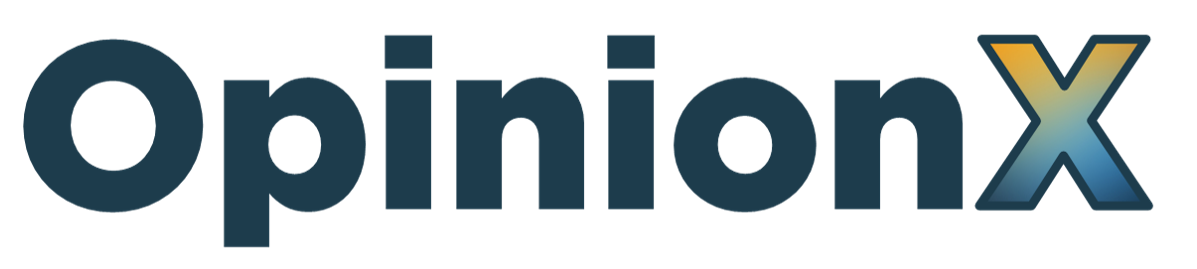
“The Lean Startup tells founders to validate an idea by building a minimum viable product and running “build, measure, learn” loops. That’s fine once you’ve found product-market fit, but it’s bad advice for early-stage founders who haven’t: your first idea is usually flawed, most people can’t afford two years of failed iterations, and product analytics can’t tell you why something isn’t working.”
Before building anything, understand the customer problem through discovery interviews. Two books do that far better for pre-PMF founders: The Mom Test (Rob Fitzpatrick) for customer discovery, and Obviously Awesome (April Dunford) for positioning.
If you're an early-stage startup founder, don't read The Lean Startup.
According to the book, the best way to figure out if your product idea is any good is to jump straight into building a prototype. This is terrible advice.
Ask any startup accelerator (including Y Combinator), talk to any successful founder, or read literally any other book, and you'll hear that this is a bad idea. But for some reason, even though everyone agrees on this, The Lean Startup remains one of the most popular books about building new products. As of 2018, it had sold over 1 million copies and been translated into 30+ languages.
This essay explains why the book is such bad advice and what you should do instead of reading it.
Why The Lean Startup isn't for startups
Telling founders to validate whether people want their product by building a minimum viable product (MVP) and running iterative "build, measure, learn" loops is sound advice for startups that have already found Product-Market Fit (PMF). Early-stage founders who haven't reached PMF, or haven't even launched, should definitely not follow it. Here's why:
Your first idea is probably flawed in a lot of ways. Most founders don't have the time, money or tenacity to spend 2+ years building failed iterations to work out everything they got wrong. And 2 years of failed products feels a lot longer than you'd think.
The book's central claim is this:
“Customers do not tell us what they want; they reveal the truth through their action or inaction.”
This is the flawed assumption the whole book is built on. No founder should ask customers what they want. But customers are very willing to talk about their unmet needs, pains and desires, and the best founders and product teams know exactly how to draw that out.
There are way more software products today than in 2011 when it was published. Unless you're offering something that clearly solves a high-priority problem your customers have, you'll struggle to get anyone's attention, never mind enough product data to learn what's wrong with what you built.
The "build, measure, learn" loop assumes you can answer "why" questions with quantitative data like product analytics. You can't. You'll eventually have to use qualitative research to understand your customer's needs, pains and desires, so you're better off starting with discovery interviews than building something only to realise afterwards that you've solved a problem nobody cares about.
Wait, so if it isn't for early-stage startups, what is?
Some great books tackle specific challenges on the road from starting up to finding Product-Market Fit. Put them together and you get a better guide to building products people actually want.
What founders should read instead of The Lean Startup
Most people agree that the best startups come from founders who deeply understand the customer need, pain or desire their product solves. The best resources help founders understand exactly that. The two books I think do it best are The Mom Test and Obviously Awesome.
The Mom Test by Rob Fitzpatrick is quickly becoming the new bible for founders, and rightly so. Fitzpatrick's core message is that it's the founder's job to understand the problem they solve for customers, and the best way to do that is customer discovery interviews. But almost everyone is quite bad at running interviews, so The Mom Test gives you some easy principles for asking better questions.
Obviously Awesome by April Dunford gives you a simple set of steps to understand how your target customer sees your product. From there, it shows you how to find the right context for your positioning, so customers intuitively get why it's valuable to them. It's great because it lays out an easy-to-follow way to put your "startup ingredients" together.
| Book | What it's for | Best for |
|---|---|---|
| The Lean Startup Eric Ries |
Iterating with build-measure-learn loops and MVPs | Teams that have already found product-market fit |
| The Mom Test Rob Fitzpatrick |
Running honest customer discovery interviews | Founders validating a problem before building |
| Obviously Awesome April Dunford |
Finding the right positioning for your product | Founders working out how customers should see the product |
What Eric Ries did get right is that success comes from your ability to iterate many, many times. You won't get everything right upfront, so you'll have to learn quickly and try again. The shorter your iteration cycles, the sooner you reach product-market fit.
The OpinionX blog has actionable essays on topics like how Stripe validates new product ideas, step-by-step guides on research methods like data-driven customer discovery, and breakdowns of successful strategies like this deconstruction of WeatherBill's $930M startup pivot. It isn't a book, but top startup publications like First Round Review and UX Collective have shared its essays.
Conclusion: don't read The Lean Startup
The Lean Startup no longer deserves the top spot as the most popular book for startup founders. Alternatives like The Mom Test and Obviously Awesome offer more relevant approaches to building successful products today. But this space keeps changing, with new frameworks and better methods emerging every year.
I feel like there's a real opening for someone to replace The Lean Startup entirely, combining the research-driven approach of The Mom Test with the recipe-like nature of Obviously Awesome into a repeatable playbook for building successful products.
Frequently asked questions
Why is The Lean Startup bad advice for early-stage founders? Its core advice, build a minimum viable product and run "build, measure, learn" loops, assumes you already know there's a problem worth solving. Founders who haven't found product-market fit are better off validating the problem first, because iterating on a product nobody needs just burns time and money.
What should founders read instead of The Lean Startup? The Mom Test by Rob Fitzpatrick, for running honest customer discovery interviews, and Obviously Awesome by April Dunford, for product positioning. Together they cover understanding the customer problem and framing your product around it, which is what pre-PMF founders actually need.
Is The Lean Startup worth reading at all? Yes, once you've found product-market fit and you're iterating on an existing product. The build-measure-learn loop and short iteration cycles are genuinely useful at that stage. The problem is applying it before you know there's a real problem to solve.
What's wrong with the "build, measure, learn" loop? It assumes you can answer "why" questions with quantitative product data. You can't: product analytics tell you what happened, not why. Understanding why customers behave as they do takes qualitative research, which is why discovery interviews should come first.
When I'm not complaining about books written over a decade ago, I'm focused on building my startup OpinionX, the advanced market research survey platform. We help thousands of product teams make better-informed prioritisation decisions by giving them real data on their customers' biggest needs. Create your own stack ranking survey for free in under 5 minutes 🚀
Daniel Kyne