

The Full-Stack Researcher
Guides, Case Studies, & Actionable Advice for Mixed-Methods User Research
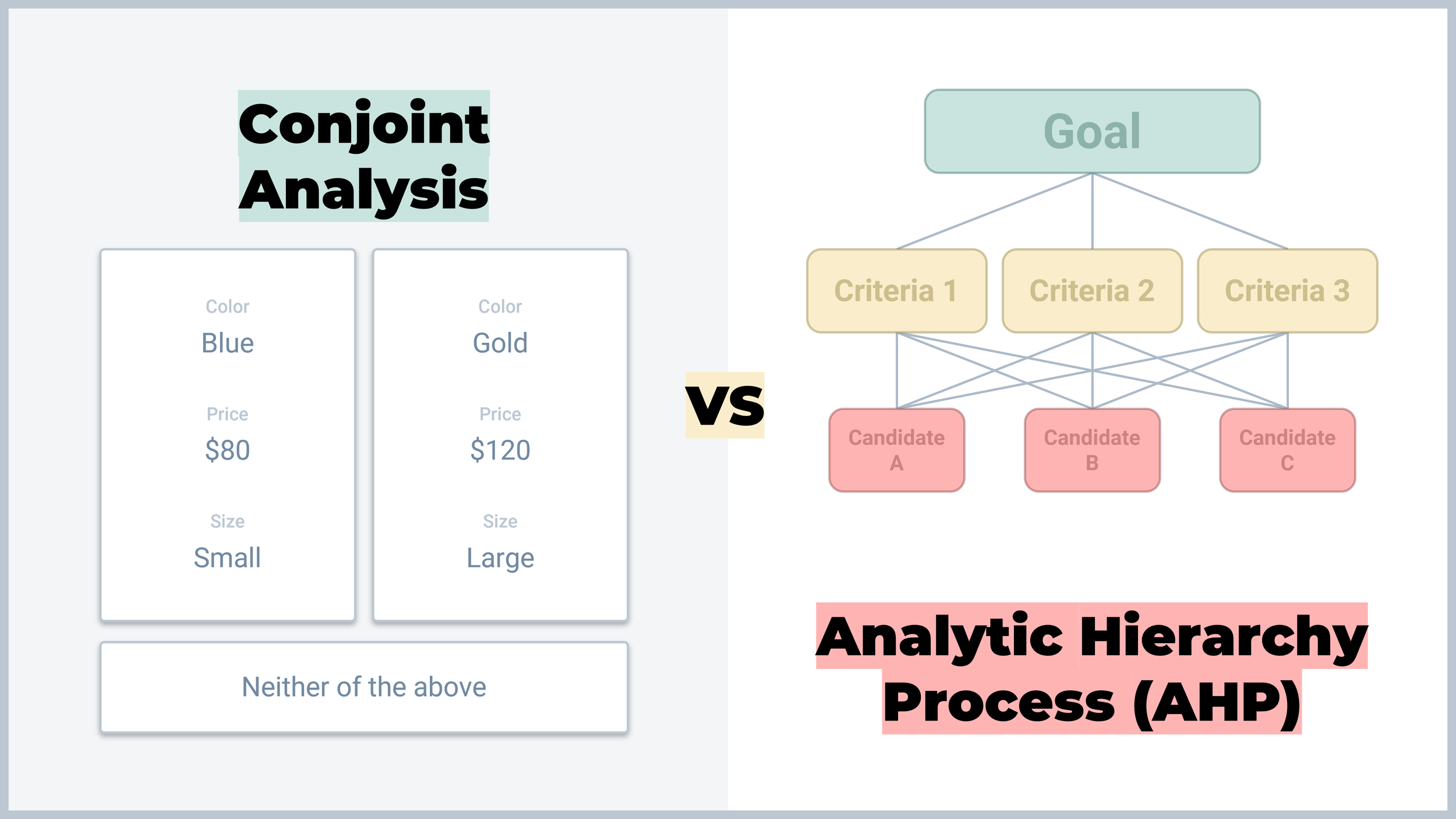
Conjoint Analysis vs. Analytic Hierarchy Process (AHP) — Explanations, Differences, Examples, Use Cases
Both rank options across multiple dimensions, but conjoint infers the weights from real choices while AHP asks for them directly. Here's how to pick.

A Practical Guide to Market Simulators in Conjoint Analysis Surveys
A conjoint market simulator predicts what share of customers would pick each plan, plus the revenue and churn behind it. Here's how it works, with a real case study.
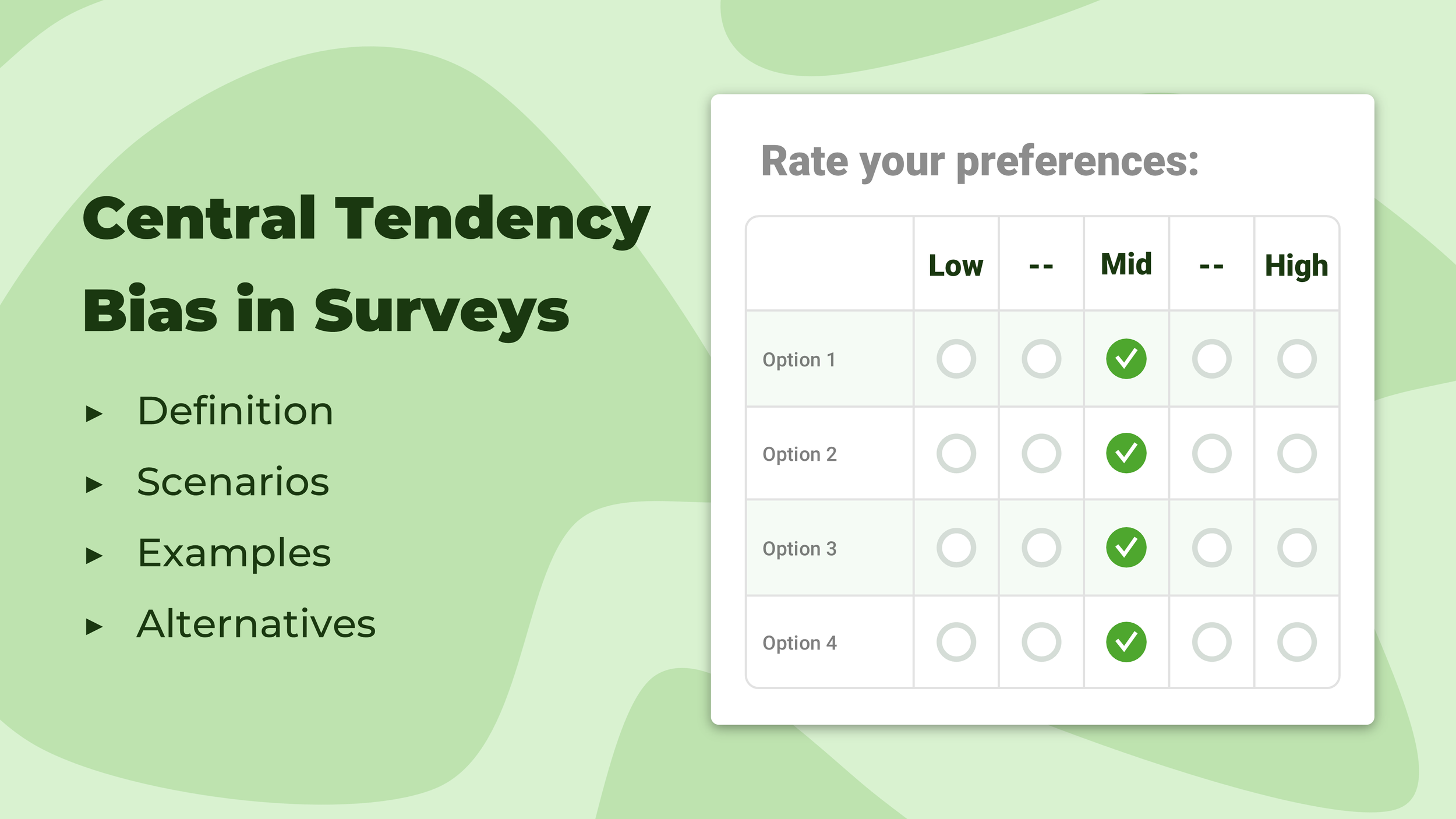
Central Tendency Bias in Surveys (And How To Avoid It)
Most guides blame lazy participants. That misses the point. The four real causes of survey straightlining, and the matrix-question alternatives that stop it.
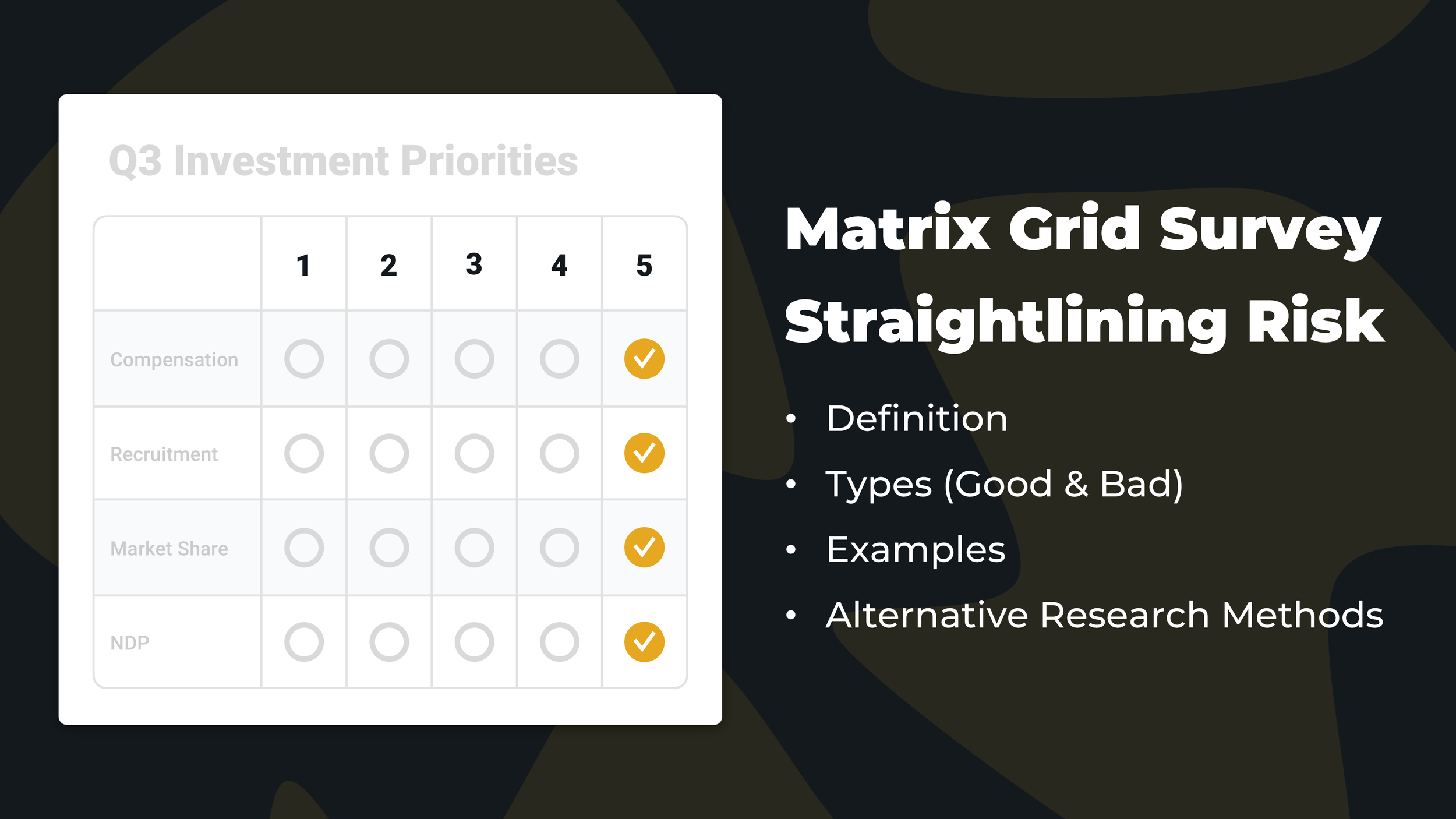
4 Ways to Avoid Matrix Grid Survey Straightlining (With Examples)
Most guides blame lazy participants. That misses the point. The four real causes of survey straightlining, and the matrix-question alternatives that stop it.
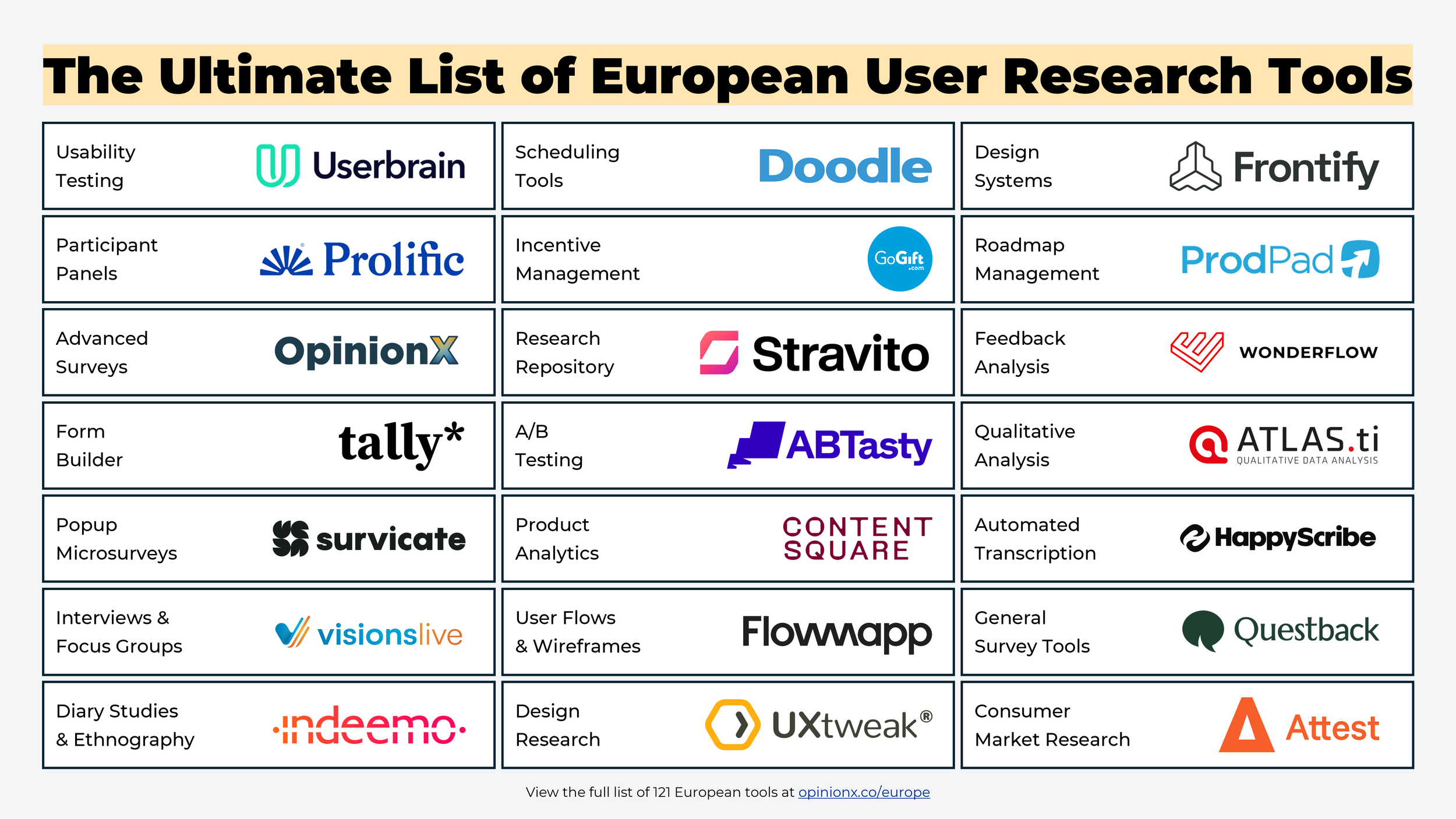

The segmentation survey VEED used to refine their Ideal Customer Profile definition
VEED ran a 34-question MaxDiff survey in OpinionX and found its single Ideal Customer Profile was really two segments. The case study, start to finish.

Using MaxDiff Analysis To Measure Customer Concerns (Airbnb Case Study)
When you can't fix every problem at once, MaxDiff tells you which to tackle first. A worked example using the Airbnb Services host backlash.
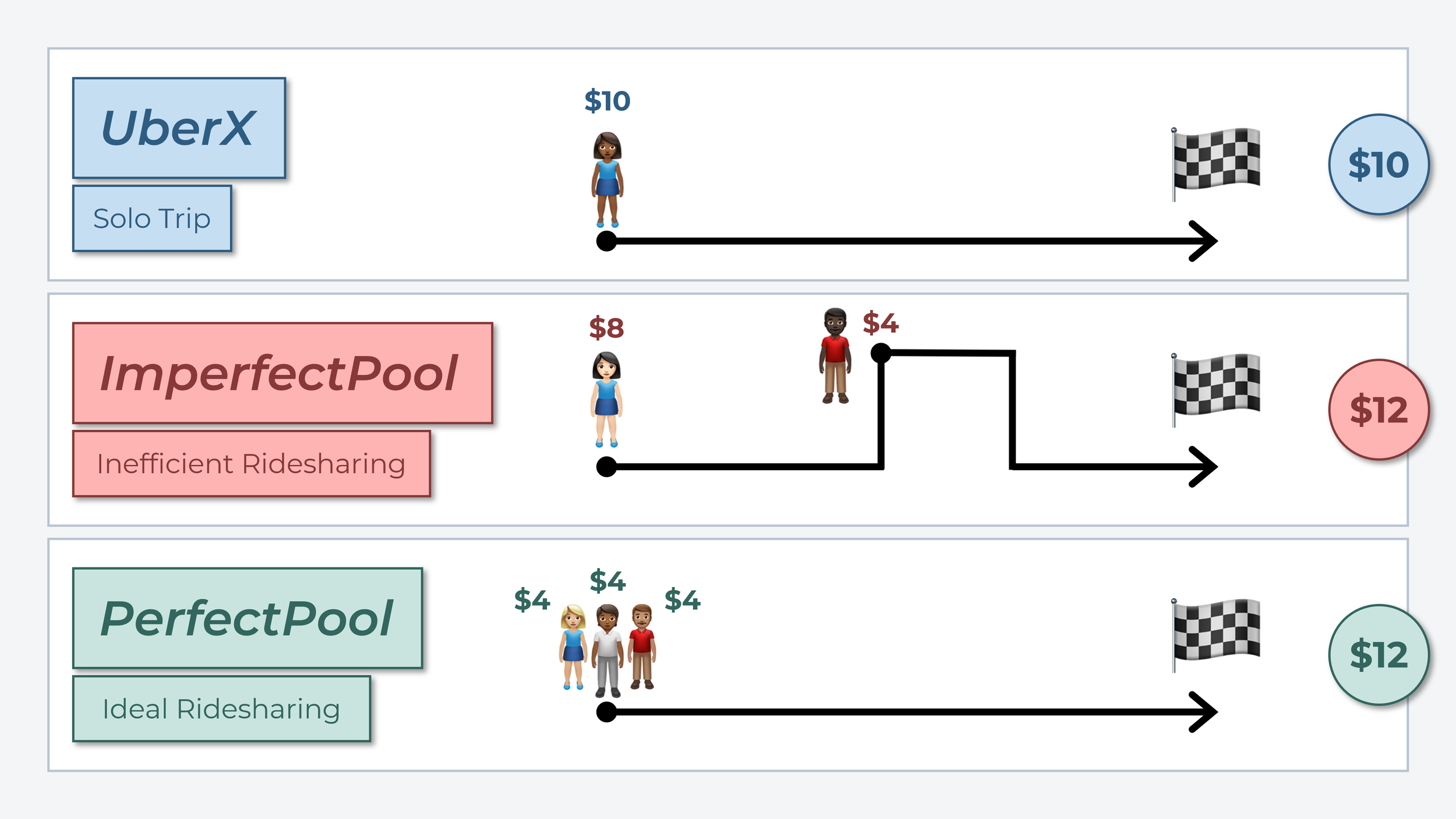
Steal This Research Playbook from Uber (Conjoint Analysis Case Study)
A real, published four-step research playbook: interviews to find the trade-offs, MaxDiff to rank them, conjoint to price them, testing to ship them. Steal it.

How AI Changed the UX Researcher's Role
AI didn't just speed up UX research, it changed how your colleagues see your role. Leaders now pick the method with AI and hand it to you to run.
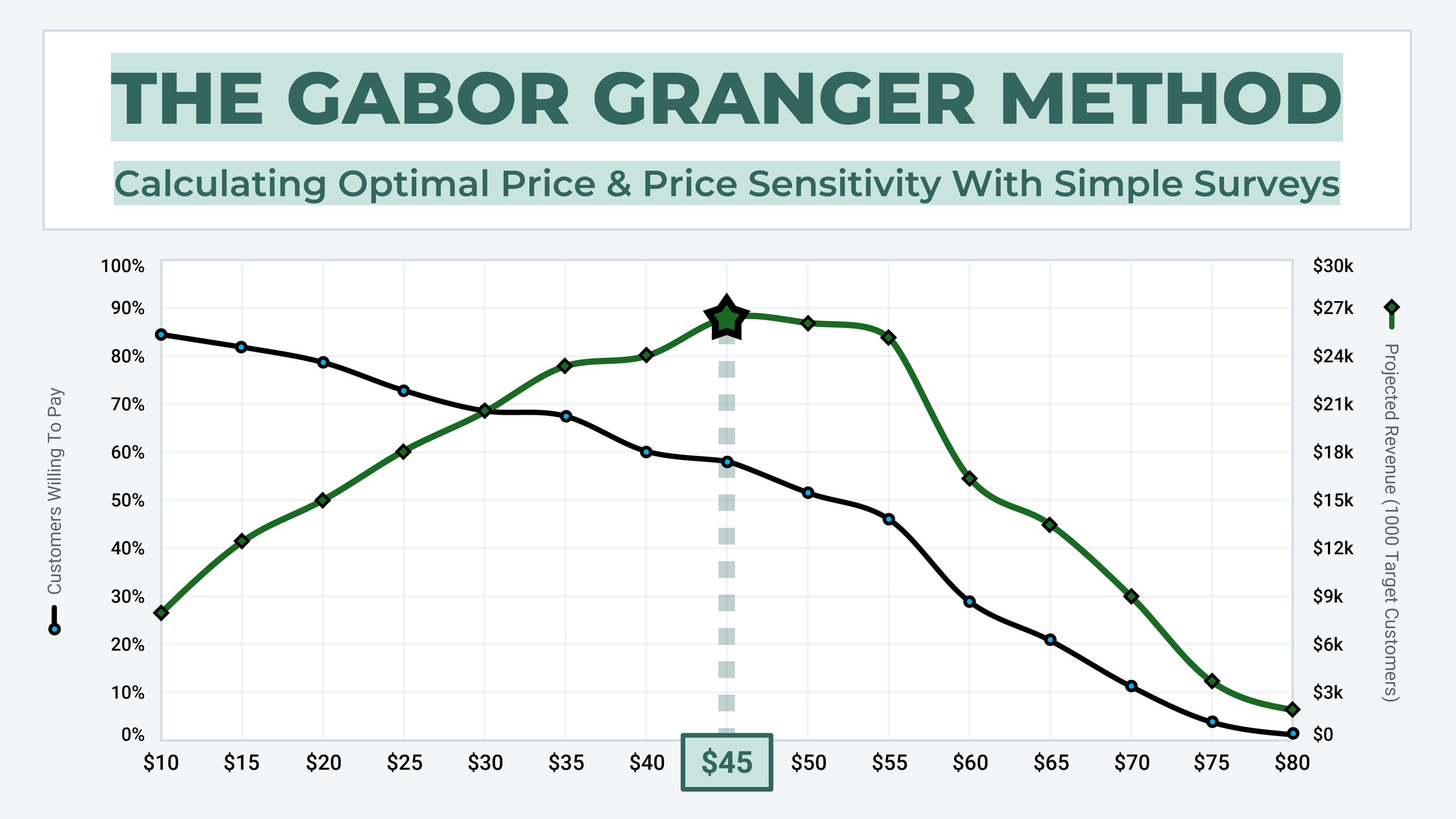
Gabor Granger Method for Pricing Surveys (Example & Tools)
Gabor Granger is a survey that measures the optimal price for a product or service. It works by showing customers a series of hypothetical prices and asking them if they would buy the product at this price or not.

Pick The Right Ranking Method For Your Survey: 4 Simple Steps
Four questions to help you pick the right method for your ranking survey, between Conjoint Analysis, Pairwise Comparison, MaxDiff Analysis, Ranked Choice Voting, and Points Allocation ranking.
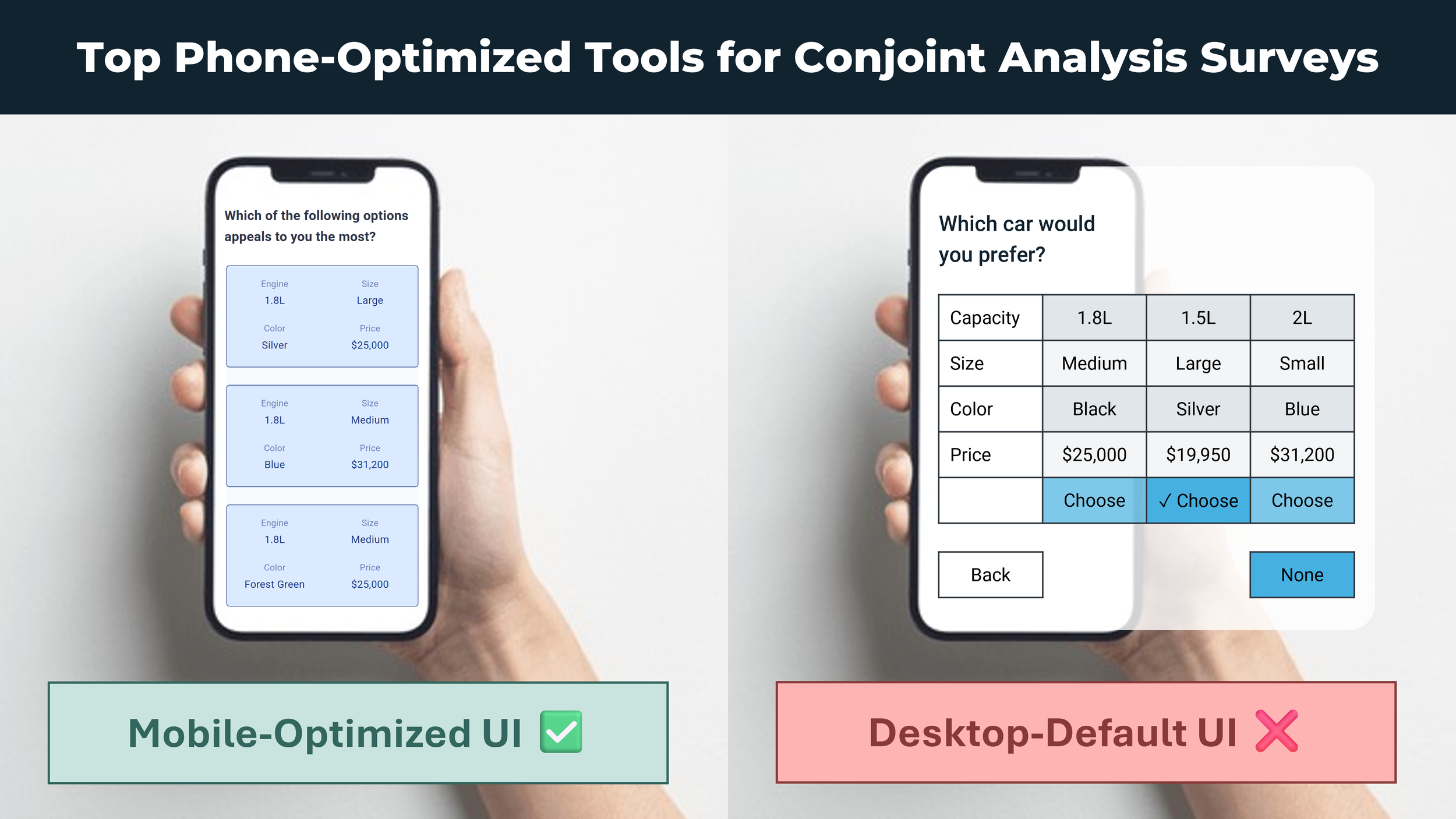
Best Conjoint Analysis Tools for Mobile Phone Surveys
UX for mobile survey respondents varies wildly between the most popular conjoint analysis platforms. I reviewed 8 of the most popular conjoint tools to assess their responsive design for mobile conjoint research.
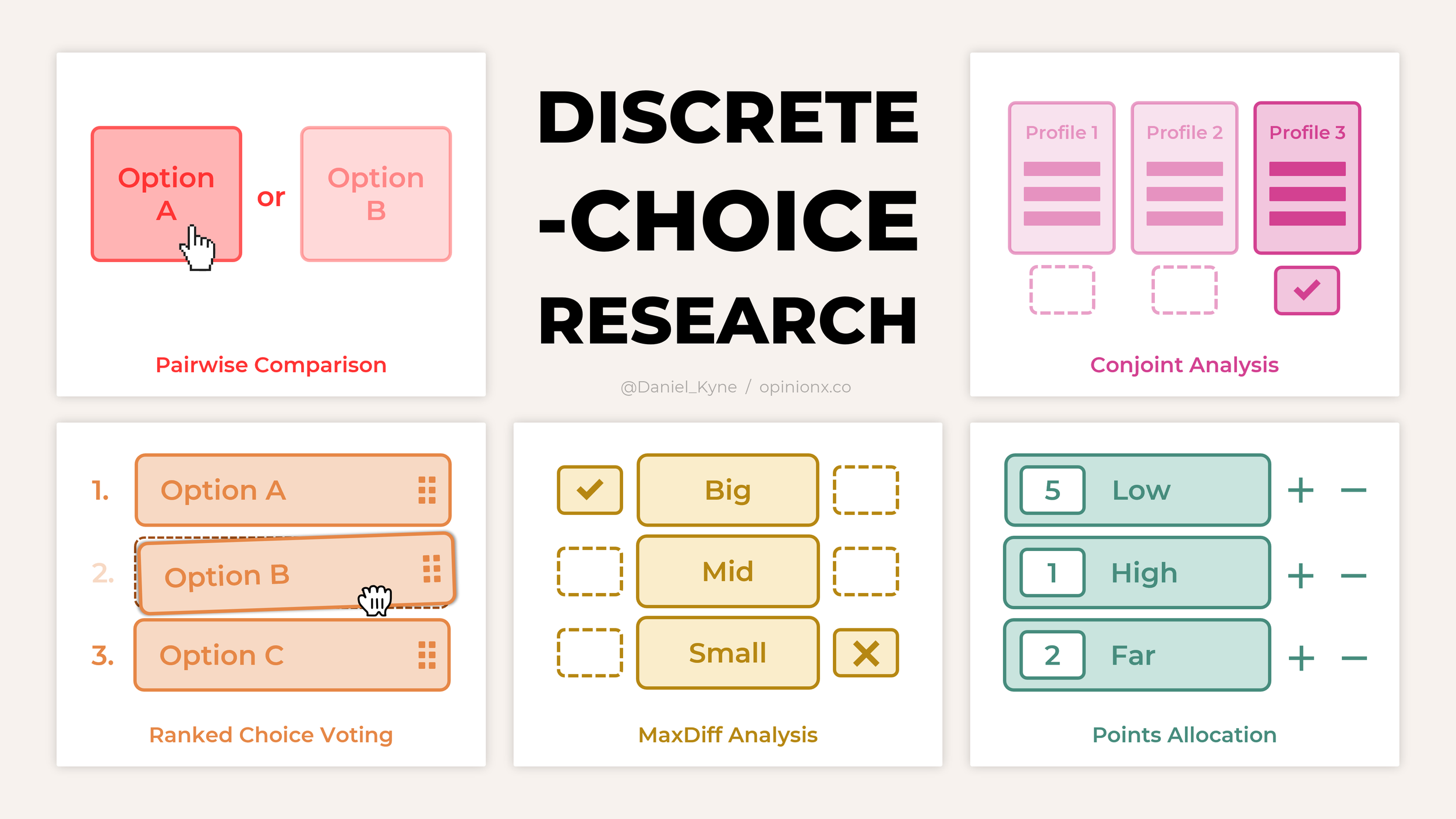
Discrete Choice Experiment: Methods, Examples, Tools
A discrete choice experiment is a type of survey that measures the relative importance of a set of options according to a group of people, including conjoint, maxdiff, pairwise comparison, and more.

Optimizing SaaS Pricing via MaxDiff & Conjoint Analysis Surveys (Case Study)
Real case study showing how Dogo used a maxdiff analysis and conjoint survey to optimize their pricing model, ultimately driving +9.5% conversion rate and +13% ARPU.

How To Measure Marginal Willingness To Pay via Conjoint Analysis (Pricing Research Guide)
Marginal willingness to pay turns a conjoint preference score into a dollar figure. Here's the full method, the formula, and how to handle a non-linear price curve.

How To Run An Opportunity Gap Survey (User Research Guide)
An opportunity gap survey ranks customer problems by importance and dissatisfaction, so "what should we build next?" becomes a measurement instead of an argument.

Van Westendorp for Pricing Research (Survey Guide)
A Van Westendorp is a survey method used to measure a product’s optimal price. Known specifically as the Van Westendorp Price Sensitivity Meter, or sometimes just VM PSM for short, this survey method shows you how price changes impact your customers’ willingness to pay for your product.
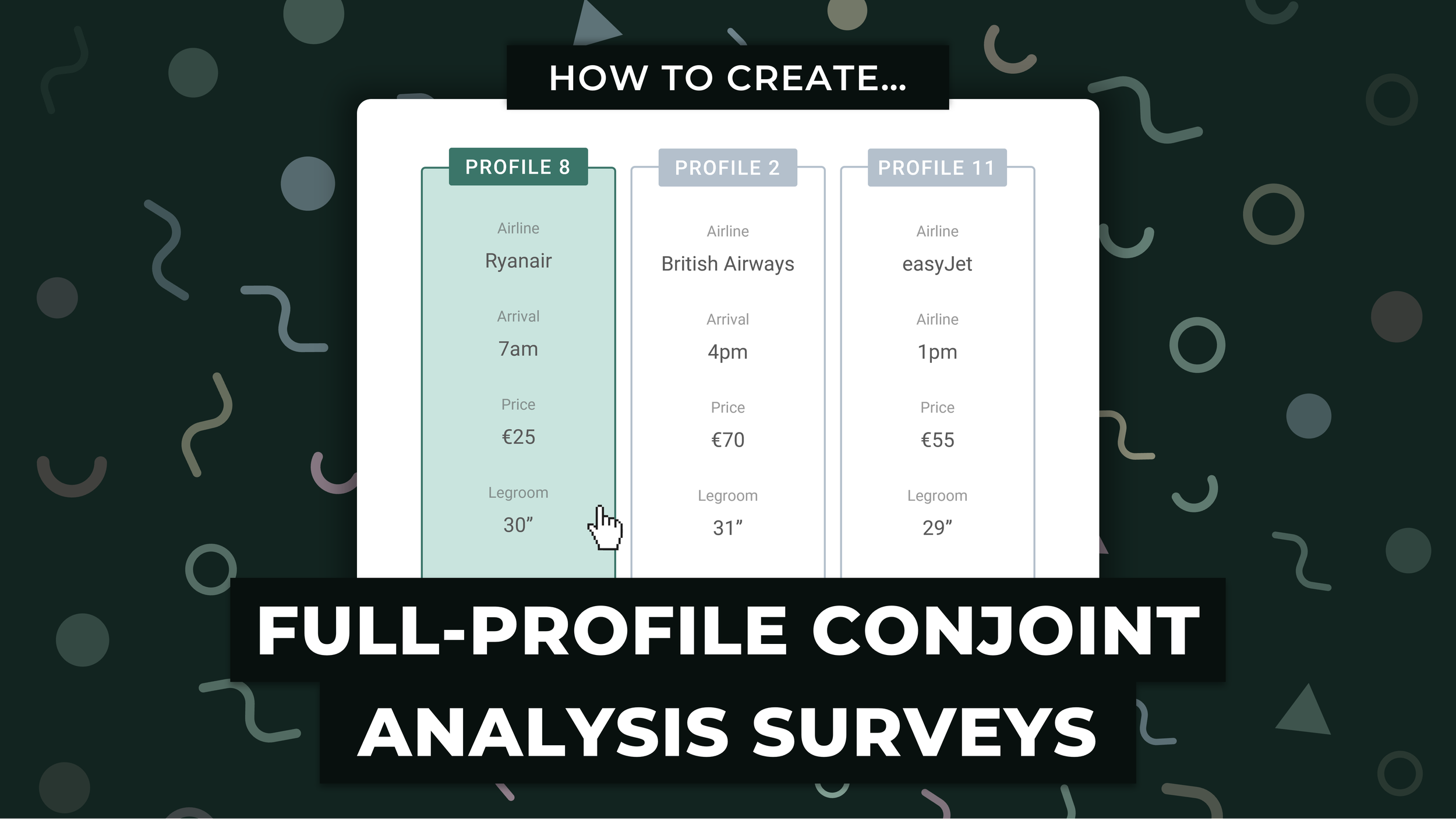
How To Create A Full-Profile Conjoint Analysis Survey
Fixed-profile conjoint is old-school and mostly replaced by choice-based conjoint. But there's one case it's still the right tool, and you don't need conjoint software to run it.

How To Conduct A Double Materiality Assessment (Full Guide)
The full process, from the 7 steps to measuring materiality with a survey to building the matrix for your CSRD report.

18 Tools That Save Partial Submissions & Incomplete Surveys
18 survey tools compared on whether they save the answers of people who start but don't finish. Only some do, and fewer let you actually see the data.