
“Thematic analysis is a qualitative method for making sense of unstructured data (interview transcripts, open-ended survey answers, feedback) by coding it and grouping the codes into themes. It’s popular because it’s flexible and accessible, and slow because it’s manual: grouping a large pile of responses into themes takes real time. This guide covers what thematic analysis is, when to use it, the steps involved, a real example, its pros and cons, and the alternatives, including lighter-weight discovery and priority-mapping approaches for teams working on shorter timelines.”
Qualitative research is a great way to understand why people behave the way they do. But what looks like a solid methodology choice can quickly turn into a mountain of transcripts and spreadsheets of answers. How do researchers tackle these overwhelming datasets? A common answer is thematic analysis.
In this guide you'll find what thematic analysis is, when it's used, the steps involved, real examples, the pros and cons, and newer alternative methods.
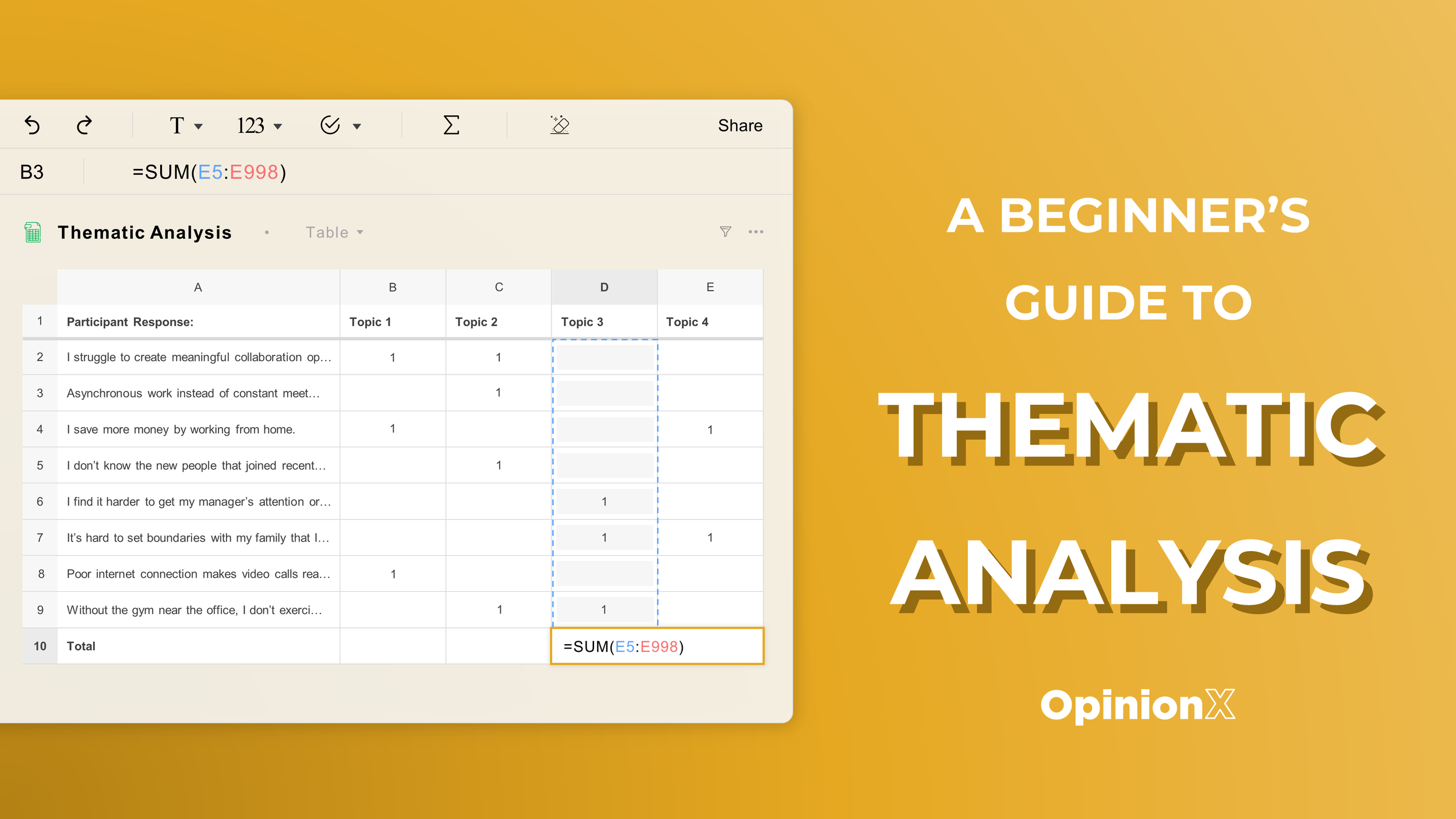
What is thematic analysis?
Thematic analysis is a structured method of analysing qualitative data. It's a framework for turning unstructured texts into a set of codes, which are then used to derive themes and meaning from large qualitative studies like user interviews, diary studies and open-ended surveys.
Thematic analysis is an umbrella term for lots of broadly similar research practices, like qualitative coding, textual analysis, and content analysis. Let's not get stuck on which term means what; what matters is how this structured approach helps researchers understand the meaning within large qualitative datasets.
The process is pretty well established. After getting familiar with the data, researchers give interesting highlights a code, group those codes into themes, then review the themes to weave together a set of conclusions that gets written up in a report. We'll dig into the steps below.
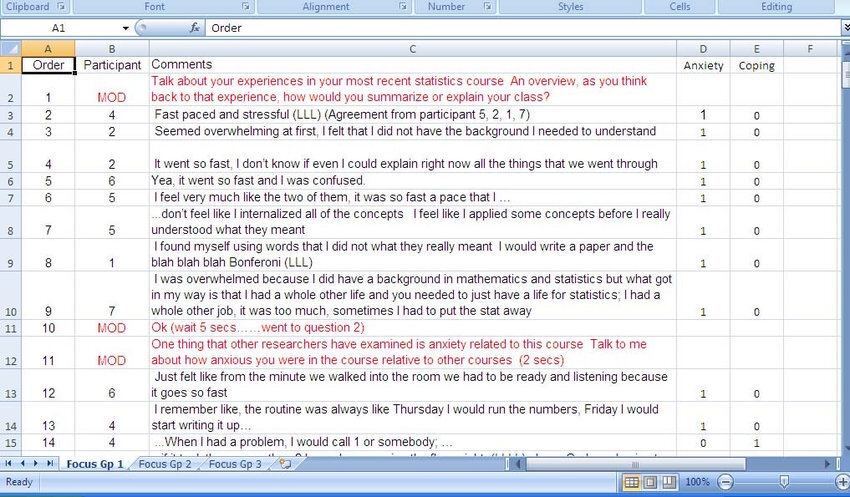
An example of a spreadsheet used during thematic analysis of qualitative research.
When is thematic analysis used?
Thematic analysis is used when you're trying to distil insights about people's views, opinions, knowledge, experiences or values from a qualitative dataset. It's one of the most popular qualitative analysis methods in both academic and commercial settings.
The analysis happens after you've collected all your qualitative data. It's common to have an idea upfront about which themes might emerge, based on assumption mapping, but it's best practice to gather your full dataset before starting any thematic analysis.
What steps are involved in thematic analysis?
There are different variations of thematic analysis, particularly in academia, but the process always follows the same general steps.
1. Get familiar with the data. Read through all the transcripts and responses available to get familiar with your data.
2. Create codes. Highlight sections of text, usually phrases or sentences, and come up with shorthand labels or "codes" to describe their content.
3. Generate initial themes. Examine your codes and categorise them under suitable themes. The common approaches to developing themes:
Inductive approach: let the data determine your themes.
Deductive approach: come to the data with some preconceived themes you expect to find, based on theory, established assumptions or existing knowledge.
You should also distinguish between a semantic and a latent approach:
Semantic approach: analyse the explicit content of the data.
Latent approach: read into the subtext and assumptions underlying the data.
4. Review themes. Refine your themes by splitting, combining or discarding them now that you've digested your full dataset.
5. Determine the story. Crafting the story that emerges from each theme is essential for landing the insights with your stakeholders. You might also find cross-thematic insights, which isn't surprising: people commonly reference more than one topic during a research engagement.
6. Review and report. Turn that story into a shareable, easy-to-digest document detailing the relationship between your new findings and old knowledge, while recognising the limitations of your research. You may also want to include recommendations for the best next steps.
What is an example of thematic analysis in action?
Ajantha Suriyanarayanan is the Director of Consumer Insights at Art.com, the e-commerce platform that brings accessible, top-quality art to everyone. Ajantha describes Art.com as a "consumer-obsessed" company. She says that "knowing where the pain points are and knowing where we're receiving kudus from people is huge."
“But with the limited resources we have, we need to be intelligent about where we’re dedicating our time. Do we want to do something new and cool, or do we want to fix issues that our consumers have surfaced?”
The team at Art.com developed a two-step process to review open-ended consumer comments. "One person was manually reading the comments and then classifying them himself." They built a framework for thematic analysis using an Excel spreadsheet with pre-set tabs, alongside keyword analysis and natural language processing tools, to create their codes and themes for further analysis.
What are the advantages of thematic analysis?
Thematic analysis can get a little overwhelming on a large dataset, but the beauty of it is how accessible and simple it is. Anybody can use the 6 steps above to thematically analyse their qualitative research. Experience helps you dig deeper, but even a fresh newbie can use this method.
Thematic analysis is suuuuuper flexible. It works on loads of different datasets, from interview and focus group transcripts to diary studies and open-ended survey responses.
Approach thematic analysis from a blank slate and you can build a very comprehensive understanding of your data. Assumptions often hold a strong influence over all qualitative analysis methods, but you can do a good job of eliminating their influence if you have enough time to dedicate to it.
What are the limitations of thematic analysis?
Thematic analysis is a manual and time-consuming process. Grouping thousands of survey responses into themes can take days or even weeks, which teams at fast-moving companies rarely have.
The manual side also means it becomes siloed work, with one person taking on the bulk of it. Ajantha says this is a particular pain of their process at Art.com: "having only one person compiling the insights report won't instill consumer feedback into the minds of people that need to have it installed in their minds."
Thematic analysis also assumes that the more people who reference a theme, the more important that theme is. That's an understandable approach for gathering feedback from existing users, but for discovery research projects, assuming frequency means importance is a flawed approach.
What alternatives are there to thematic analysis?
Gathering open-ended feedback is a great way to learn about your customers' opinions without limiting them to your own priorities through a multiple-choice list. As Ajantha said, thematic analysis takes a long time, and when you're analysing an "always-open" channel like customer feedback, it can quickly become overwhelming and siloed. Instead of limiting the richness of open-ended responses, use natural language processing tools like Thematic to make sense of them at scale.
Discovery projects, where you're trying to learn brand new things about people through proactive primary research, are much more ad hoc than gathering feedback. This type of research includes growing into a new customer segment, building a new product or feature, or expanding to cater for new use cases.
Discovery research is usually carried out in a shorter burst, like a design thinking sprint. It's open-ended by nature and often time-sensitive: the longer analysis takes, the more the project slips. For these projects, turning data into codes and themes takes a lot longer, because you have no pre-determined categories to work from. And when you're trying to find the most impactful unmet user need or pain, assuming the topic with the highest number of occurrences is also the most important will mislead you.
Instead, identify which opinion resonates strongest with the largest number of your target segment. This priority mapping method is a quick, accessible alternative to assumption mapping at the start of a new project. OpinionX offers a survey tool that turns an unstructured collection of user-generated opinions into a prioritised list in one click.

Identifying user priorities using discovery research platform OpinionX
Check out how OpinionX can help you carry out discovery research faster than manual thematic coding.
When thematic analysis is the right fit
The choice comes down to time. If you've got a larger team and a longer timeline, thematic analysis is a solid, well-understood way to make sense of a big qualitative dataset. If you're moving fast, discovery tools like OpinionX map priorities and surface users' biggest unmet needs in a fraction of the time it takes to code themes by hand.
Frequently asked questions
What is thematic analysis? A qualitative research method for identifying patterns ("themes") across unstructured data like interview transcripts or open-ended survey responses. You code the data, then group the codes into themes that summarise what people are saying.
What are the steps in thematic analysis? Broadly: get familiar with the data, generate initial codes, search for themes across those codes, review and refine the themes, define and name them, then write up what they tell you. It's iterative, so you often loop back as the themes take shape.
When should you use thematic analysis? When you have rich qualitative data and want to understand the "why" behind behaviour, and you have the time to code it properly. It suits larger teams with longer timelines and ongoing feedback channels more than fast, time-boxed discovery sprints.
What are the limitations of thematic analysis? It's slow and manual, it can get overwhelming on always-open feedback channels, and frequency can mislead: the theme that comes up most often isn't necessarily the most important one to act on.
What are the alternatives to thematic analysis? Natural-language-processing tools for analysing feedback at scale, and, for time-sensitive discovery work, priority-mapping approaches that rank which unmet needs matter most to a segment rather than counting how often each theme appears.
Want more like this? Over 42,000 researchers and product people get The Full-Stack Researcher in their inbox. Subscribe for the next one.